
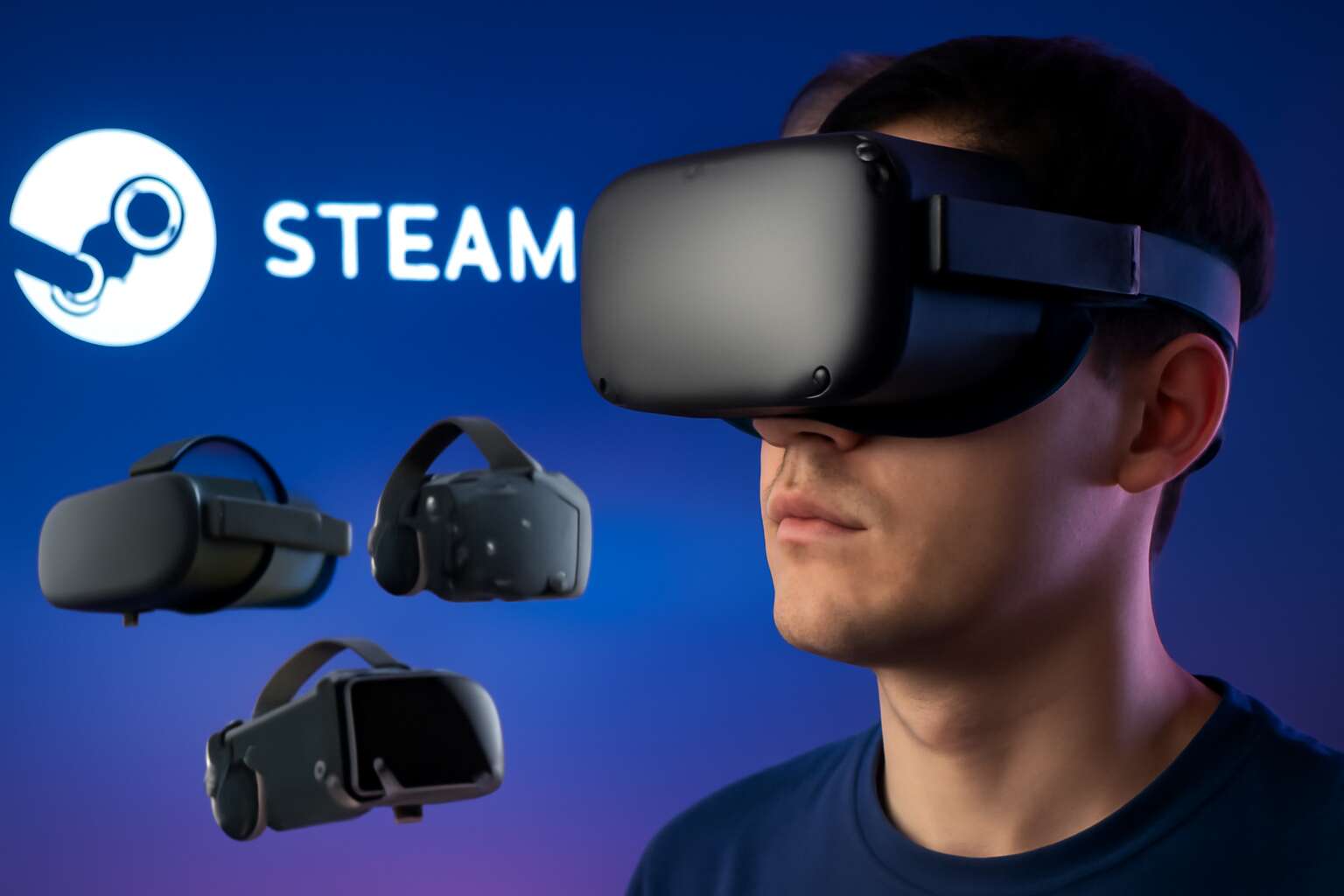
Popular VR Headsets Compatible with SteamVR
Valve Index – Features, Compatibility, and Requirements
When exploring the expansive universe of virtual reality, the Valve Index remains a shining beacon for immersive experiences. Recognized for its superior build quality and stunning visual clarity, it is undoubtedly one of the most popular VR headsets compatible with SteamVR Valve Index. Its high-fidelity tracking, combined with a wide field of view and precise controllers, elevates gameplay to an art form. For those seeking to understand what VR headset is compatible with Steam, the Valve Index offers a seamless integration, making it a top choice for enthusiasts worldwide.
Compatibility hinges on several key factors—hardware requirements, supported software, and user comfort. The Valve Index connects effortlessly via DisplayPort and USB, requiring a robust gaming PC that meets SteamVR’s specifications. If you’re curious about other options, here are some popular VR headsets compatible with Steam:
- HTC Vive Pro 2
- HP Reverb G2
- Pimax 8K X
<li Oculus Quest 2 (via Oculus Link or Air Link)
Each device demands specific system requirements, but all align with SteamVR’s flexible ecosystem, ensuring that your virtual journeys remain boundless and unencumbered. Whether you gravitate toward the sleek elegance of the Reverb G2 or the expansive field of Pimax, understanding what VR headset is compatible with Steam unlocks a universe of possibilities.
HTC Vive Series – Vive, Vive Pro, Vive Cosmos Compatibility
If you’re diving into the world of virtual reality, the HTC Vive series offers a compelling lineup for SteamVR enthusiasts. From the original Vive to the advanced Vive Pro and the versatile Vive Cosmos, these headsets are renowned for their compatibility and immersive capabilities. The HTC Vive series seamlessly integrates with SteamVR, making it a favorite among VR aficionados in South Africa and beyond.
What makes the HTC Vive stand out? Its robust tracking system, room-scale experience, and comfortable ergonomics provide a truly immersive adventure. The Vive Pro, with its stunning display resolution, takes things up a notch, ensuring you won’t miss a single pixel or detail. Meanwhile, the Vive Cosmos offers an easy setup and a flip-up design—perfect for those who like to take VR breaks without removing the entire headset.
For those pondering what vr headset is compatible with steam, the Vive series is a no-brainer. Here’s a quick rundown of the compatibility essentials:
- High-fidelity SteamVR tracking
- Connection via SteamVR-compatible hardware ports
- Requires a capable gaming PC with specific hardware specs
And if you’re feeling adventurous, the HTC Vive series also supports a range of accessories and upgrades, making it a flexible choice for VR explorers eager to push boundaries.
Oculus Rift Series – Rift S, Rift CV1 and Their Compatibility with Steam
In the ever-expanding universe of virtual reality, the Oculus Rift series stands as a beacon of immersive innovation. The Oculus Rift S and Rift CV1 have carved their niche among SteamVR enthusiasts, offering a gateway to worlds both fantastical and profound. These headsets are celebrated not merely for their sleek design but for their seamless compatibility with Steam, the digital realm where VR dreams come alive.
Both the Rift S and Rift CV1 support high-fidelity SteamVR tracking, ensuring that every movement translates flawlessly into your virtual domain. Their connection to a capable gaming PC—via DisplayPort, USB, or HDMI—cements their status as reliable portals into digital wonderlands. For those pondering what vr headset is compatible with steam, the Oculus Rift series embodies a compelling choice, blending accessibility with performance.
While the Rift S offers an easier setup with its inside-out tracking system, the original Rift CV1 boasts a legacy of pioneering VR experiences. Together, they form a duality of legacy and innovation—each capable of transforming your gaming space into a portal of endless possibilities. With these headsets, the question of compatibility is answered in a symphony of technological harmony, inviting South African VR explorers to step boldly into the future.
Meta Quest Devices – Using Link and Air Link for Steam Compatibility
Among the most versatile VR headsets that seamlessly integrate with SteamVR are the innovative Meta Quest devices. These standalone headsets have revolutionized the virtual experience, offering a wireless freedom that many gamers in South Africa find irresistible. Thanks to the robust link capabilities—namely, Link and Air Link—users can connect their Meta Quest headsets directly to their gaming PCs, unlocking a vast library of Steam-compatible titles.
Using the Oculus Link cable or Air Link, Meta Quest 2 and Meta Quest Pro transform into powerful SteamVR portals, bridging the gap between portability and performance. This setup ensures high-fidelity graphics and precise tracking, making it a compelling choice for those questioning what VR headset is compatible with Steam. The process is surprisingly straightforward, with minimal latency and a smooth transition from standalone to PC-tethered gaming.
Here’s a quick overview of the key features that make Meta Quest devices a popular choice:
- Wireless connectivity via Air Link for untethered freedom
- High-resolution displays enhancing visual fidelity
- Compatibility with a wide array of SteamVR titles
For South African VR enthusiasts seeking flexibility without sacrificing compatibility, Meta Quest devices paired with Link or Air Link offer an innovative, immersive experience. Whether exploring fantastical worlds or engaging in intense multiplayer battles, these headsets prove that what vr headset is compatible with steam can be as dynamic and adaptable as the user desires. The future of VR gaming is wireless, seamless, and increasingly accessible—right at your fingertips.
Windows Mixed Reality Headsets – Popular Models and How They Work with SteamVR
When it comes to the question of what VR headset is compatible with Steam, the options are surprisingly diverse — and each offers a unique flavor of immersion. For South African gamers eager to dive into the expansive SteamVR universe, Windows Mixed Reality headsets provide an excellent bridge between affordability and performance. These headsets, including models like the HP Reverb G2 and Samsung Odyssey+, are designed to work seamlessly with SteamVR, thanks to their native support for OpenXR and SteamVR compatibility layers.
What sets Windows Mixed Reality apart is their straightforward setup process and reliable tracking capabilities. They often come with inside-out tracking systems, meaning no external sensors are required—just plug and play. This makes them perfect for those who value simplicity without sacrificing visual fidelity. They work well with Windows operating systems, which power most gaming PCs, making them a popular choice for enthusiasts seeking a versatile, compatible VR solution.
- HP Reverb G2
- Samsung Odyssey+
- Lenovo Explorer
All of these models are designed to be compatible with SteamVR, ensuring access to thousands of titles. Whether you’re exploring fantastical worlds or engaging in intense multiplayer battles, these Windows Mixed Reality headsets prove that what vr headset is compatible with steam can be both accessible and high-quality. Their compatibility with SteamVR makes them a compelling option for South African users eager to experience immersive gaming without the hassle of complex setups or pricey peripherals.
How to Check VR Headset Compatibility with Steam
SteamVR System Requirements – Hardware and Software Specifications
Understanding what VR headset is compatible with Steam can seem daunting amidst the ever-expanding universe of virtual reality technology. Yet, it’s a crucial step in transforming digital dreams into tangible adventures. To ensure your hardware aligns seamlessly with SteamVR, start by examining the system requirements—both hardware and software specifications. Valve’s SteamVR system demands a robust graphics card, ample RAM, and a compatible operating system. Compatibility isn’t just about meeting minimum specs; it’s about ensuring your entire setup harmonizes for a fluid experience.
Checking if your VR headset works with Steam involves a few straightforward steps. First, verify the headset’s specifications against the official SteamVR hardware compatibility list. This list includes popular models like the Valve Index, HTC Vive series, Oculus Rift, and Meta Quest devices used via Link or Air Link. Additionally, your PC should meet the recommended system requirements, which typically include a compatible GPU, a recent version of Windows, and sufficient USB ports. Only then can you confidently explore what VR headset is compatible with Steam and unlock the full potential of your virtual reality journey.
VR Hardware Compatibility Checks – Identifying Supported Devices
Embarking on a virtual voyage requires more than just an imagination—it demands that your VR headset be fully compatible with SteamVR. With hundreds of models vying for your attention, how can you determine which device will seamlessly integrate into your digital universe? The answer lies in a thorough hardware compatibility check. Fortunately, Valve provides an official SteamVR hardware compatibility list, a treasure map guiding you through supported devices. This list includes renowned headsets like the Valve Index, HTC Vive series, Oculus Rift, and Meta Quest devices used via Link or Air Link.
To ensure your VR setup is ready for adventure, start by verifying your headset’s specifications against this list. Consider the following steps:
- Visit the official SteamVR hardware compatibility page.
- Match your VR headset’s specifications—such as resolution, refresh rate, and connection type—with the supported devices.
- Confirm that your PC meets the minimum system requirements for SteamVR, including a compatible GPU, sufficient RAM, and available USB ports.
By carefully cross-referencing these details, you’ll uncover what vr headset is compatible with steam and unlock a world filled with immersive possibilities. The journey from hardware to virtual reality becomes smooth and enchanting when everything aligns perfectly—like stars guiding you through a cosmic adventure.
Firmware and Software Updates – Ensuring Optimal Compatibility
Ensuring your VR headset plays nicely with SteamVR isn’t just about buying the latest gadget—it’s about keeping firmware and software in perfect harmony. Outdated firmware can make your headset behave like a stubborn mule, refusing to recognize your PC or crashing mid-virtual adventure. The same goes for outdated software—think of it as trying to run a marathon in flip-flops. To avoid these frustrations, regularly check for updates from your headset manufacturer. These updates often include crucial bug fixes, performance boosts, and compatibility patches that keep your device in sync with SteamVR’s latest ecosystem.
Here’s a quick way to verify if your VR hardware is up to date:
- Navigate to your headset’s official support page or companion app.
- Download the latest firmware update if available.
- Ensure your VR software on PC is running the newest version of SteamVR.
Remember, compatibility isn’t just about hardware specs; software updates play a pivotal role in unlocking full functionality. So, before diving into virtual worlds, make sure your VR headset’s firmware and software are up to date. This way, you’ll know what VR headset is compatible with Steam and can enjoy a seamless, immersive experience without the dreaded tech hiccups.
Connecting Your VR Headset to Steam
Wired Connections – HDMI, DisplayPort, and USB Requirements
Connecting your VR headset to Steam via wired connections is a meticulous dance with technology, requiring precision in HDMI, DisplayPort, and USB requirements. For seamless compatibility, ensure your VR headset supports the necessary ports—most modern headsets, including the Valve Index or HTC Vive series, rely on HDMI or DisplayPort for high-fidelity visuals, while USB 3.0 or higher handles data transfer.
The importance of verifying your PC’s hardware capabilities cannot be overstated, as insufficient bandwidth or outdated drivers can hinder performance. To facilitate an effortless setup, consider the following essentials:
- High-speed HDMI or DisplayPort cable—preferably version 1.4 or higher for optimal clarity.
- USB 3.0 or USB-C connection—crucial for tracking sensors and controllers.
- Stable power supply and proper port allocation to avoid connectivity interruptions.
Understanding these specifications is vital in answering the often-asked question: what vr headset is compatible with steam? Proper wired connections can unlock the full potential of your immersive experience.
Wireless Connections – Oculus Air Link, Virtual Desktop, and WiGig Options
Wireless connections have revolutionized the way we experience virtual reality, offering freedom of movement and a more immersive environment. For those wondering what VR headset is compatible with Steam, options like Oculus Air Link, Virtual Desktop, and WiGig stand out as reliable choices. These technologies eliminate the clutter of cables, allowing you to step into your virtual world with ease and flexibility.
Oculus Air Link, for example, streams your VR content directly from your PC to your Meta Quest device via Wi-Fi, creating a seamless and lag-free experience—if your network is robust enough. Virtual Desktop offers similar capabilities, turning your wireless network into a portal for high-quality VR gameplay. WiGig, a newer standard, provides ultra-fast wireless data transfer, ensuring your headset maintains the high bandwidth needed for crisp visuals and smooth tracking.
To maximize compatibility and performance, ensure your PC’s wireless hardware supports these standards. A stable, high-speed Wi-Fi connection—preferably Wi-Fi 6—can make all the difference in delivering a lag-free experience. When exploring what VR headset is compatible with Steam through wireless means, these options are leading the way in delivering immersive, untethered adventures that feel as real as life itself!
Setting Up SteamVR Environment – Step-by-Step Compatibility and Calibration
In the shadowed halls of virtual reality, where the line between the digital and the real blurs into something almost sinister, setting up your VR sanctuary is a ritual of precision. When pondering what VR headset is compatible with Steam, understanding the labyrinthine process of connecting your device to the SteamVR environment is paramount. The journey begins with ensuring your hardware’s compatibility—your PC must meet the spectral requirements of SteamVR, whispering promises of seamless performance.
Once your hardware aligns with the arcane standards, calibration becomes the key to unlocking full immersion. This involves meticulous spatial alignment, sensor calibration, and ensuring your tracking systems are attuned to the ghostly echoes of your movements. To facilitate a smoother setup, consider the following steps:
- Install the latest SteamVR software—an essential ritual to ward off compatibility curses.
- Connect your VR headset via the appropriate ports—HDMI or DisplayPort—if wired, or establish a stable wireless connection for untethered freedom.
- Follow the on-screen prompts to configure your play area and calibrate tracking sensors, allowing your virtual surroundings to breathe with your every move.
Compatibility with Steam is not solely about hardware; firmware and software updates act as enchanted spells that enhance stability and fidelity. Ensuring your VR headset is fully updated ensures a harmonious connection, free from the lurking specters of lag and dissonance. For those venturing into wireless realms, verifying your network’s prowess—preferably Wi-Fi 6—can elevate your experience from mere simulation to an almost mystical encounter with the virtual unknown.
Additional Tips for Ensuring VR Compatibility with Steam
Updating Drivers and Firmware – Importance of Latest Updates
Ensuring seamless harmony between your VR hardware and the digital universe of Steam requires more than just plugging in the device. As technology advances at a feverish pace, the importance of updating drivers and firmware cannot be overstated. These updates serve as the vital bridge connecting your VR headset to the expansive realm of SteamVR, ensuring every virtual step is as smooth as a whispering breeze.
Regularly visiting the manufacturer’s website or leveraging dedicated software tools for your VR headset can keep firmware and drivers in pristine condition. Remember, outdated drivers can hinder performance, introduce lag, or even render your device incompatible. To avoid this digital dissonance, it’s wise to check for updates periodically—think of it as tending to your virtual garden, where each update is a nourishing rain.
A simple, yet crucial, step involves verifying that your graphics card drivers are current—since the graphics processing unit often acts as the backbone for VR immersion. For a more structured approach, consider creating a checklist:
- Update your VR headset firmware
- Ensure graphics drivers are the latest version
- Install the newest Windows updates for system stability
By keeping every component in sync, you elevate your VR experience from a mere digital mirage to a vivid, captivating reality—making it unmistakably clear what VR headset is compatible with Steam.
Troubleshooting Common Compatibility Issues – Fixes and Support Resources
In the labyrinth of virtual reality, compatibility is the golden thread that weaves the tapestry of immersive experience. When exploring what VR headset is compatible with Steam, unforeseen hiccups can challenge even the most seasoned explorers. Troubleshooting common compatibility issues often reveals hidden culprits—corrupt drivers, conflicting software, or outdated firmware that silently sabotage your voyage into digital realms.
Support resources stand as vigilant guardians—forums, official troubleshooting guides, and dedicated customer service channels—ready to illuminate the path forward. Sometimes, a simple step like reconnecting a DisplayPort or HDMI cable can dispel the shadows of lag and dissonance. For more intricate issues, consider the following approach:
- Verify your VR headset firmware is the latest version.
- Ensure your graphics card drivers are current—an often overlooked keystone of compatibility.
- Check that your Windows operating system has all recent updates installed for optimal stability.
By weaving these checks into your routine, your virtual adventures become smoother, more captivating—each moment more vivid than the last. Remember, the quest to understand what VR headset is compatible with Steam is as much about patience and persistence as it is about hardware. Embrace the process, and let your digital odyssey unfold without interruption!
Compatibility with VR Accessories – Controllers, Sensors, and Haptic Devices
Ensuring your VR experience is seamless hinges on understanding what VR headset is compatible with Steam and its accompanying accessories. As VR technology advances, the ecosystem of controllers, sensors, and haptic devices becomes increasingly vital for immersive gameplay. Compatibility isn’t just about hardware matching; it’s about the harmonious integration of every component to deliver fluid, captivating virtual environments.
One often overlooked facet is the importance of verifying that your VR accessories are supported by SteamVR. For example, high-fidelity controllers like the Valve Index controllers or HTC Vive controllers need specific drivers and firmware updates to function flawlessly. Similarly, sensors and base stations must be correctly calibrated and compatible with your headset to avoid tracking issues that can shatter immersion.
- Always ensure your VR accessories are firmware updated to the latest version.
- Check that all sensors and controllers are recognized correctly within SteamVR settings.
- Confirm that your setup adheres to recommended hardware specifications for optimal performance.
Additionally, compatibility extends beyond hardware into software ecosystems. Many accessories now support haptic feedback or spatial audio, elevating the realism of your virtual adventures. The key is to verify each peripheral’s compatibility with Steam before purchase or setup, avoiding the frustration of mismatched devices that hinder your immersion. In South Africa, where VR setups are becoming more accessible, understanding what VR headset is compatible with Steam, including its accessories, ensures every virtual journey is as immersive and vivid as it was designed to be.


0 Comments