
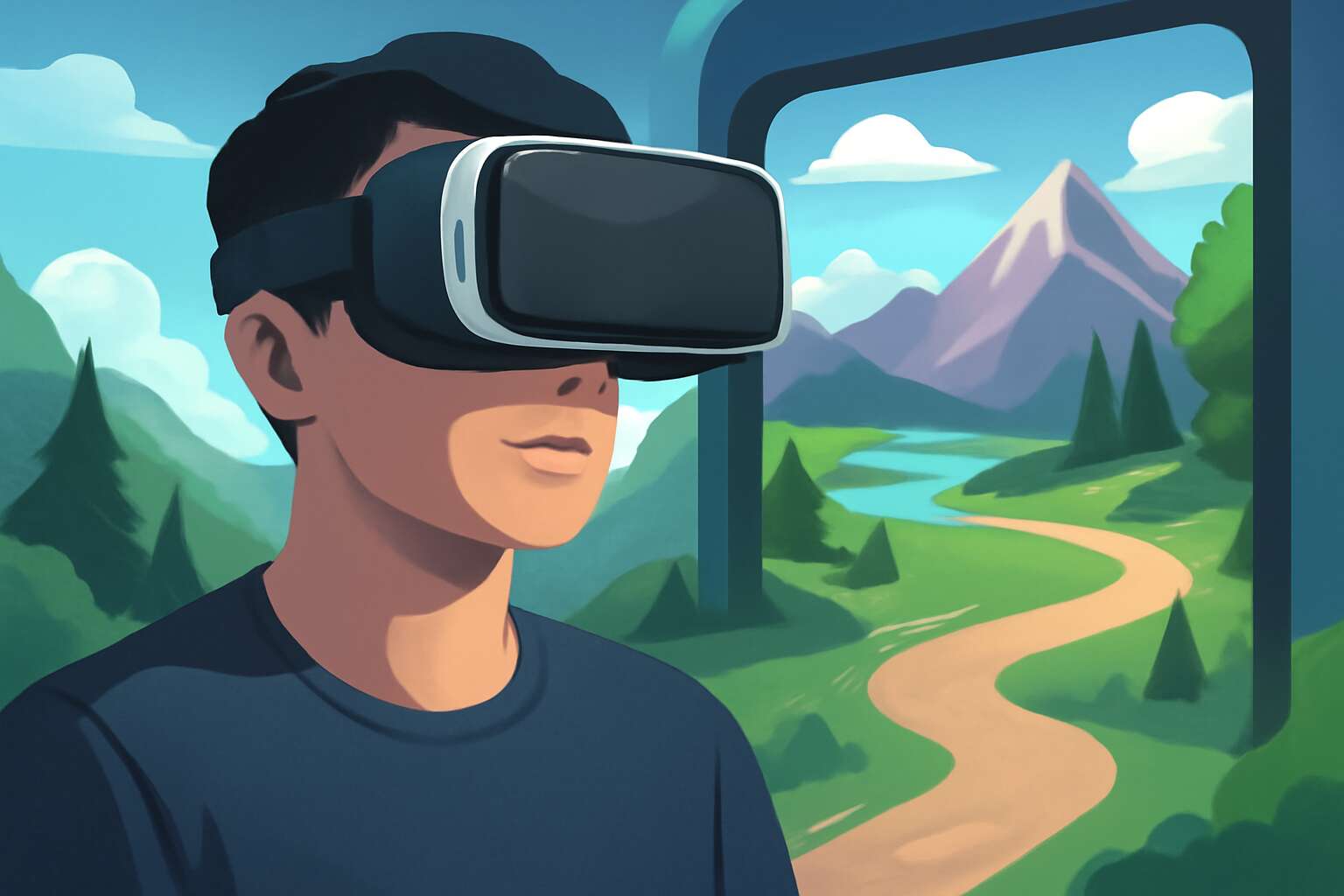
Understanding Virtual Reality Tours
Definition of Virtual Reality Tours
Virtual reality tours have revolutionized the way we explore spaces, offering an immersive experience that transcends geographic boundaries. Imagine walking through a luxury Cape Town villa or inspecting a Johannesburg office—all from the comfort of your own lounge. These digital expeditions are not merely 360-degree images but meticulously crafted environments that simulate real-world interactions with startling fidelity.
At their core, virtual reality tours are a sophisticated blend of technology and storytelling. They allow potential clients or investors to navigate a property or venue as if they were physically present. This innovative approach enhances engagement and provides a richer understanding of space and scale that static images simply cannot match. As the demand for virtual reality tours grows, businesses in South Africa are increasingly leveraging this cutting-edge tool to stand out in competitive markets.
History and Evolution
The genesis of virtual reality tours traces back to pioneering experiments in immersive technology during the late 20th century, where early systems sought to bridge the chasm between imagination and physical presence. These initial endeavors, often confined to research labs, hinted at the profound potential of virtual reality tours as transformative tools for industries seeking authentic spatial representation. Over the decades, technological advances refined these digital expeditions, evolving from crude panoramic images to sophisticated, interactive environments that captivate the senses and stimulate the mind.
By the early 2000s, virtual reality tours had begun to permeate sectors beyond academia, particularly in real estate, tourism, and corporate visualization. The advent of high-fidelity VR headsets and 3D modeling software catalyzed this evolution, enabling creators to craft environments with startling realism and meticulous detail. Today, virtual reality tours are no longer a niche innovation but a vital component of digital marketing strategies, especially within South Africa’s competitive property and tourism markets. This progression exemplifies how immersive technology continues to reshape our understanding of space, making distant places feel palpably near and intangible spaces tangible—an evolution driven by relentless innovation and a desire to connect beyond physical limitations.
Types of Virtual Reality Tours
Virtual reality tours aren’t just a fancy tech gimmick; they come in a variety of flavors, each suited to different needs and audiences. From the straightforward to the downright spectacular, understanding these types helps you pick the perfect digital expedition for your business. After all, not all virtual reality tours are created equal—some are as immersive as stepping into another world, while others are more like a sneak peek through a window.
One of the most common types is the 360-degree virtual reality tour. Imagine spinning around in your virtual space, taking in a panoramic view that feels almost tangible. This type is ideal for real estate, allowing potential buyers to explore a property without leaving their couch. Then there’s the fully interactive virtual reality tour, which lets users navigate a digital environment using controllers or even their own movements. Think of it as a video game, but with a purpose—like touring a university campus or exploring a luxury hotel.
For those seeking a more detailed experience, 3D virtual reality tours combine high-resolution visuals with meticulous spatial mapping. These are perfect for showcasing architectural designs or complex machinery, where every detail counts. Interestingly, some virtual reality tours incorporate augmented reality elements, blending the real and digital worlds seamlessly—think of a virtual tour that lets you see how a new sofa fits in your living room before you buy it.
Benefits of Using Virtual Reality Tours
Enhanced User Engagement
In an age where attention spans are shrinking and competition is fierce, virtual reality tours have emerged as a game-changer for engaging audiences. Research indicates that users spend up to 80% more time exploring virtual reality tours compared to traditional media, highlighting their power to hold interest. When viewers are immersed in a realistic environment, they become active participants rather than passive spectators, fostering a deeper connection with the content.
Enhanced user engagement is one of the most compelling benefits of virtual reality tours. These tours transform the way people experience spaces, allowing them to explore at their own pace and focus on what interests them most. This level of control and immersion encourages viewers to retain information better and develop a genuine emotional response. For businesses, this means increased chances of conversion and a more memorable brand impression.
To maximize engagement, virtual reality tours can incorporate interactive elements such as clickable hotspots or customizable viewpoints. These features not only make the experience more dynamic but also cater to different learning styles and preferences. In South Africa, where tourism and real estate sectors are booming, leveraging virtual reality tours can create a competitive edge by offering potential clients an authentic, engaging preview of properties or destinations.
Cost and Time Efficiency
In the world of virtual reality tours, saving time and money isn’t just a perk—it’s practically a superpower. Traditional site visits or physical showings can drain resources, especially when clients are spread across South Africa’s vast landscape. Virtual reality tours cut through the logistical chaos, letting potential buyers or visitors explore properties or destinations from the comfort of their own couch. No more scheduling conflicts or travel expenses—just immersive experiences on demand.
But wait, there’s more! Virtual reality tours also streamline the entire process by reducing the need for multiple physical visits, which means fewer staff hours and lower operational costs. For real estate agencies or tourism operators, this translates into quicker sales cycles and happier wallets. It’s a win-win—faster, more efficient, and infinitely more engaging. When you combine cost-effectiveness with the captivating power of virtual reality tours, you’re not just keeping up with the competition—you’re leaving it in the digital dust.
Broader Audience Reach
Virtual reality tours have revolutionized the way businesses reach their audiences, especially across South Africa’s diverse landscape. These immersive experiences break down geographic barriers, allowing potential clients from Johannesburg to Cape Town to explore properties, hotels, or tourist destinations without leaving their homes.
By expanding accessibility, virtual reality tours open doors to a broader audience. Families in rural areas can now virtually walk through a beachfront villa or a bustling city apartment, fostering a genuine connection that static images simply can’t achieve. This inclusivity not only boosts interest but also cultivates trust, as viewers feel more confident in their decision-making process.
For companies, this means increased exposure and a larger pool of prospective clients. A well-crafted virtual reality tour can create an emotional bond, making viewers imagine themselves within the space. The result? Higher engagement rates and a competitive edge in the fast-paced South African market. In essence, virtual reality tours don’t just showcase spaces—they open new worlds of opportunity for everyone involved.
Improved Customer Experience
Transforming the way customers experience spaces, virtual reality tours provide an unparalleled level of engagement that static images simply cannot match. When prospective buyers or visitors immerse themselves in a 360-degree environment, they gain a vivid sense of scale, ambiance, and detail that makes each property or destination come alive. This immersive encounter fosters a deeper emotional connection, turning curiosity into genuine interest.
Moreover, virtual reality tours significantly elevate the customer experience by allowing viewers to explore at their own pace, from the comfort of their homes or offices. No longer confined by time zones or travel constraints, clients can virtually walk through a luxury beachfront villa in Durban or a bustling Johannesburg office complex, experiencing every nuance firsthand.
In the fiercely competitive South African market, this advanced technology offers a distinct advantage. By creating memorable, lifelike impressions, virtual reality tours not only enhance satisfaction but also build trust—a vital factor in closing deals. With these immersive experiences, businesses can truly stand out, offering a level of service that feels both innovative and personal.
Key Features of Effective Virtual Reality Tours
High-Resolution Imagery
In the realm of virtual reality tours, high-resolution imagery stands as the luminous heart that captivates and immerses. With clarity rivaling reality itself, sharp visuals breathe life into every corner, every detail, transforming digital spaces into tangible experiences. When a viewer’s gaze lingers on a meticulously rendered scene, they are transported—sensing textures, colors, and depth with astonishing authenticity. This visual fidelity is not merely a feature; it is the keystone of engagement, forging an unbreakable link between the virtual and the visceral.
To elevate the effectiveness of virtual reality tours, attention to detail becomes paramount. Crystal-clear imagery ensures that prospective clients or visitors are not left guessing but are instead enveloped in a vivid tapestry of realism. Such precision enhances trust and curiosity, inviting exploration without hesitation. It’s like opening a window into a world that feels startlingly alive, where every pixel whispers stories of craftsmanship and dedication. Truly, high-resolution imagery is the bridge that turns virtual tours into unforgettable journeys, beckoning audiences to see, feel, and believe.
Interactive Elements
In the delicate dance of virtual reality tours, the magic truly begins with the interplay of interactive elements. These features serve as the heartbeat of an immersive experience, inviting users to explore beyond passive viewing. When well-crafted, they turn a simple visual journey into a captivating adventure, where curiosity is rewarded at every turn.
Consider the power of clickable hotspots, panoramic navigation, or embedded multimedia—each element deepens engagement and sustains attention. Integrating these features seamlessly ensures that viewers feel like explorers in a realm crafted just for them. It’s this meticulous attention to interactivity that transforms a static tour into a living, breathing experience.
To truly elevate virtual reality tours, focus on the following key features:
- Intuitive navigation controls that mimic natural movement
- Rich multimedia integration such as videos, audio, and detailed descriptions
- Customizable hotspots that reveal contextual information
- Multi-user capabilities for shared experiences
When these elements are harmonized with high-resolution imagery and thoughtful design, virtual reality tours become not just a showcase but an evocative portal—offering an authentic glimpse into spaces, whether for real estate, tourism, or corporate environments. As viewers peel back layers of digital realism, they are reminded that every detail matters—each pixel a whisper of authenticity, each interaction a step deeper into the story behind the space.
360-Degree Views
Step into a realm where reality blurs with imagination—virtual reality tours are the portal to experiences that captivate and inspire. The key to unlocking their full potential lies in the artistry of their design; each element must harmonize seamlessly to create an immersive voyage. When expertly crafted, these tours transform mere visuals into a tapestry of sensations that beckon viewers to explore every nook and cranny.
One of the most enchanting features of effective virtual reality tours is their ability to offer 360-degree views, enveloping users in a panoramic embrace. This feature ensures that no detail is left unseen, giving a true sense of space and scale. Complemented by intuitive navigation controls, users feel as if they are gliding effortlessly through the environment—mimicking natural movements with fluid grace.
Furthermore, rich multimedia integration—such as embedded videos, ambient sounds, and detailed descriptions—serves to deepen engagement. Customizable hotspots punctuate the environment, revealing contextual information and stories behind each element, turning passive observation into active discovery. For truly collaborative exploration, multi-user capabilities allow multiple viewers to share the same virtual journey, fostering connection and shared wonder.
- High-resolution imagery that captures every nuanced texture
- Intuitive controls that mirror real-world movement
- Interactive hotspots offering layered, contextual insights
- Multi-user features that create communal experiences
In the vast universe of virtual reality tours, these key features weave together an enchanting experience—one that leaves an indelible impression on every explorer who ventures into this digital wonderland. It’s the meticulous attention to detail, the seamless integration of technology and storytelling, that elevates a simple virtual walkthrough into a legendary journey of discovery.
Device Compatibility
In the realm of virtual reality tours, device compatibility stands as the gateway to boundless exploration. Imagine a world where your audience can seamlessly step into immersive environments regardless of their chosen device—be it a high-end headset or a simple smartphone. The true magic lies in designing virtual reality tours that adapt effortlessly across platforms, ensuring everyone can partake in the wonder.
To achieve this, developers often embrace a multi-device approach, crafting experiences that are responsive and adaptable. Whether viewed on Oculus Rift, HTC Vive, or mobile devices, the essence of the tour remains pristine. A well-optimized virtual reality tour not only guarantees visual fidelity but also preserves fluid navigation, enriching the user’s journey without technical hindrance.
For those seeking to elevate their virtual reality tours further, consider incorporating features like:
- Cross-platform compatibility for maximum reach
- Optimized load times to keep viewers engaged
- Intuitive controls that mirror natural movements
- High-resolution imagery to maintain visual integrity
By weaving these elements into your virtual reality tours, you create a digital universe that beckons explorers from all walks of life—each one stepping into an enchanting world where technology and storytelling entwine seamlessly. In South Africa’s vibrant landscape, such immersive experiences are not merely innovative—they are transformative, opening portals to unseen worlds right at your fingertips.
Ease of Navigation
Ease of navigation is the backbone of effective virtual reality tours. If users struggle to move smoothly through an experience, they quickly lose interest. A well-designed virtual reality tour should feel intuitive, almost like gliding through a real-world environment. Clear visual cues and simple controls help users focus on exploration, not frustration.
Incorporating features such as natural gesture controls and responsive menus enhances the user journey. To truly optimize virtual reality tours, consider including options like:
- Guided hotspots to direct attention
- Minimal loading times for seamless transitions
- Accessible menus that don’t distract from the environment
Ultimately, effortless navigation transforms a virtual reality tour from a static viewing experience into an engaging adventure. When users can explore without technical barriers, they become immersed in the story you want to tell. This approach not only elevates the experience but also maximizes engagement and satisfaction across all devices.
Applications of Virtual Reality Tours
Real Estate
Virtual reality tours are revolutionizing the way properties are showcased in South Africa’s bustling real estate market. With immersive 360-degree views and interactive features, potential buyers can explore homes from the comfort of their current location—whether in Johannesburg, Cape Town, or Durban. This technology not only captures the imagination but also accelerates decision-making, making property viewing more efficient and engaging. By offering detailed virtual reality tours, real estate agents can provide a more comprehensive experience, highlighting every nook and cranny with stunning clarity.
For developers and brokers, the applications of virtual reality tours extend beyond simple viewing. They enable virtual staging, renovation previews, and even neighborhood exploration, giving clients a holistic sense of the property’s context and potential. This approach creates a dynamic sales process that appeals to tech-savvy buyers and international investors alike. As virtual reality tours continue to evolve, their capacity to transform the real estate landscape becomes increasingly undeniable, bridging the gap between physical and digital property exploration.
Travel and Hospitality
In the vibrant realm of travel and hospitality, virtual reality tours are opening doors to experiences previously confined to imagination. Imagine strolling through the grand corridors of a South African vineyard or wandering along pristine beaches, all from your living room. These immersive journeys serve as a tantalizing preview, enticing travelers before they even pack their bags.
Such applications are not merely about virtual sightseeing; they revolutionize how hotels, resorts, and tour operators engage with potential guests. From virtual walkthroughs of luxurious suites to exploring exotic destinations, virtual reality tours foster a deeper emotional connection—heightening anticipation and trust. For businesses, this means standing out in a competitive market, offering an unparalleled glimpse into what awaits. As technology advances, expect these virtual explorations to become increasingly lifelike, transforming the travel landscape into an interactive adventure that captivates and converts.
Museums and Cultural Heritage
Stepping into the realm of museums and cultural heritage sites, virtual reality tours unlock a treasure trove of history and artistry in ways never before imagined. Imagine standing amidst the ancient ruins of Mapungubwe or marveling at the intricate frescoes of South Africa’s Cape Dutch architecture—all from your living room. These immersive experiences breathe new life into our cultural landmarks, making history accessible and engaging for a global audience.
Virtual reality tours enable institutions to showcase their collections with unparalleled detail and interactivity. Visitors can explore artifacts up close, participate in guided narrations, or even walk through historical sites that are otherwise inaccessible. This not only elevates visitor engagement but also preserves fragile relics by reducing physical foot traffic. As technology advances, expect these virtual journeys to become more realistic, transporting viewers into the very heart of South Africa’s rich cultural tapestry without leaving their homes.
Educational Institutions
In an era where accessibility often defines cultural preservation, virtual reality tours have emerged as a transformative force for educational institutions across South Africa. Imagine students in remote townships engaging with ancient artifacts or exploring historic landmarks without leaving their classrooms—this is the profound power of virtual reality tours. These immersive experiences can ignite curiosity and foster a deeper understanding of history, art, and heritage, transcending geographical barriers.
Institutions can leverage virtual reality tours to create dynamic learning environments that captivate learners of all ages. By integrating interactive elements and 360-degree views, educators can craft lessons that feel almost tangible, fostering active participation. Moreover, virtual reality tours allow for tailored content, aligning seamlessly with curriculum goals, making history come alive in vivid detail and context. As the technology advances, expect these virtual journeys to become even more realistic, bringing to life South Africa’s rich cultural tapestry like never before.
Event Venues
Imagine walking through a historic Cape Town vineyard or attending a gala event at a luxurious Johannesburg venue—all from the comfort of your own space. Virtual reality tours are revolutionizing the way event venues showcase their offerings, opening doors to possibilities once limited by physical boundaries. This immersive technology allows event planners and clients to explore venues in stunning detail, from panoramic views to intricate décor, before making a single decision.
For venue operators, virtual reality tours provide a compelling window into their spaces, enticing prospective clients with an experience that feels almost tangible. By offering highly detailed, 360-degree views of grand ballrooms or outdoor settings, these tours help streamline the booking process and reduce uncertainty. Here’s how virtual reality tours elevate the event industry:
- Enhanced visualization of space layout and décor options
- Increased engagement through interactive elements and realistic renderings
- Broader reach, capturing potential clients from across South Africa and beyond
From corporate conferences to wedding celebrations, virtual reality tours transform traditional venue marketing into an evocative journey that captivates and convinces. As technology advances, expect these immersive experiences to become even more refined, further blurring the line between virtual and reality, making every event feel within reach long before the first guest arrives.
Creating a Virtual Reality Tour
Planning and Storyboarding
Creating a compelling virtual reality tour begins long before the camera rolls. The planning and storyboarding stage is where the journey truly takes shape, transforming an abstract concept into a captivating experience. Meticulous attention to detail during this phase ensures that every scene, interaction, and visual element aligns seamlessly, guiding viewers through a narrative that feels both authentic and immersive.
In this phase, consider developing a detailed storyboard that maps out the flow of the virtual reality tours. This helps identify key moments, focal points, and interactive features that will enhance user engagement. It’s also essential to anticipate how viewers will navigate the environment, ensuring an intuitive experience.
- Define the core message or story
- Identify the points of interest
- Plan interactive elements to foster engagement
A well-structured plan not only elevates the quality of the virtual reality tours but also streamlines production and minimizes costly revisions—an investment that pays dividends in creating truly memorable digital experiences.
Photography and 3D Scanning
Creating a compelling virtual reality tour hinges not only on capturing stunning visuals but also on the meticulous process of photography and 3D scanning. High-quality imagery is the foundation that transforms a simple environment into an immersive experience. When executed with precision, 3D scanning can produce a seamless, lifelike representation that invites viewers to explore every nook and cranny with ease.
To achieve this, professionals often employ advanced 3D scanning devices that record environments in intricate detail, ensuring no element is overlooked. Paired with high-resolution photography, these scans enable the creation of virtual reality tours that are remarkably realistic and engaging. The secret lies in balancing technical prowess with artistic vision—each shot and scan must be carefully planned to ensure consistency and immersion throughout the virtual journey.
Incorporating these elements into your virtual reality tours not only elevates the quality but also ensures a smoother experience for users. An expertly crafted virtual environment can captivate audiences, whether for real estate, tourism, or cultural exhibitions, making every virtual tour a memorable adventure. When done right, the magic of virtual reality tours lies in the details—details that can only be captured through skilled photography and precise 3D scanning.
Choosing VR Software and Platforms
Choosing the right VR software and platform is the linchpin that determines the success of your virtual reality tours. In a landscape teeming with options, selecting a solution that seamlessly integrates high-resolution imagery, interactive elements, and device compatibility can feel daunting. Yet, this decision shapes the entire immersive experience, influencing how effortlessly users navigate and engage with your environment.
Some platforms excel at rendering 360-degree views with remarkable clarity, while others prioritize ease of use and quick deployment. To navigate this labyrinth, consider platforms that offer robust customization options and support for various devices—smartphones, VR headsets, or desktop viewers. This ensures your virtual reality tours are accessible to a broader audience, regardless of their preferred device.
For a nuanced experience, evaluate features such as real-time editing, analytics, and integration with existing marketing channels. When you choose the right platform, the potential for captivating storytelling and immersive exploration skyrockets, transforming static images into compelling virtual journeys that resonate deeply with viewers. Remember, the choice of VR software is not merely technical—it’s the foundation upon which unforgettable virtual experiences are built!
Production and Editing Tips
Creating a compelling virtual reality tour requires more than just capturing stunning images; it’s about crafting an experience that immerses viewers and sparks their imagination. The foundation lies in meticulous planning and precise execution. Start by developing a clear storyboard that outlines the journey you want users to take. This helps in aligning your visuals, interactive elements, and narrative flow seamlessly.
High-quality photography and 3D scanning are essential for ensuring your virtual reality tours are visually captivating. Attention to detail during the shooting process—like optimizing lighting and angles—can significantly elevate the realism of your tour. Once captured, the editing stage becomes crucial. Fine-tuning imagery, adding hotspots, and integrating multimedia elements can turn a static presentation into an engaging virtual voyage.
Incorporating user-friendly navigation tools enhances the overall experience. When viewers find it easy to explore, they’re more likely to stay engaged. Remember, the goal is to make your virtual reality tours not just visually appealing but also interactive and intuitive. This balance between aesthetics and usability will determine how effectively your virtual tour resonates with your audience. Whether for real estate, museums, or travel, these production and editing tips lay the groundwork for unforgettable virtual experiences!
Optimizing Virtual Reality Tours for SEO
Having Descriptive Metadata
In the bustling world of digital marketing, virtual reality tours are quietly transforming the way businesses showcase their offerings—think of it as giving your audience a backstage pass without the hassle of travel! But here’s the kicker: optimizing these immersive experiences for SEO isn’t just a fancy add-on; it’s downright essential. Descriptive metadata acts as the GPS for search engines, guiding them through your virtual corridors and ensuring your tours appear when curious explorers type in relevant keywords.
Embedding keyword-rich titles, compelling descriptions, and carefully crafted tags helps search engines understand the context of your virtual reality tours. For example, including phrases like “South Africa’s premier virtual reality tours for real estate” can give you a significant edge. To maximize visibility, it’s also wise to implement structured data markup—think of it as giving search engines a map to your virtual treasure trove. After all, what’s the use of a stunning virtual tour if potential clients can’t find it amidst the digital jungle? Making sure your metadata is optimized turns browsers into visitors, and visitors into loyal customers.
Embedding Keywords Effectively
In the rapidly evolving landscape of digital marketing, virtual reality tours are emerging as a game-changer—offering immersive experiences that captivate audiences without geographic limitations. Yet, even the most stunning virtual reality tours risk going unnoticed if they aren’t optimized for search engines. Embedding well-crafted, keyword-rich metadata ensures your virtual reality tours are not just visually impressive but also discoverable by those seeking exactly what you offer.
Effective SEO begins with strategic keyword placement. Incorporating phrases like “South Africa’s best virtual reality tours for real estate” into titles, descriptions, and tags helps search engines understand the core content of your virtual reality tours. This natural integration enhances visibility without compromising the user experience. Additionally, leveraging structured data markup acts as a digital breadcrumb trail—guiding search engines directly to your immersive content and boosting your chances of appearing in relevant queries.
Mobile Optimization
In the shadowed corridors of digital visibility, optimizing virtual reality tours for mobile devices is no longer a mere option—it’s an imperative. South Africa’s landscape, rich with diverse terrains and vibrant cultures, demands an immersive experience that can be summoned effortlessly from any device. When virtual reality tours are tailored for mobile optimization, they transcend the realm of static images and become portals into another world, accessible at a moment’s notice.
Ensuring seamless device compatibility involves more than just resizing images; it requires a meticulous approach to load speeds, touch responsiveness, and user interface design. Incorporating a responsive design ensures your virtual reality tour adapts gracefully to screens of every size, whether viewed on a sleek smartphone or a tablet. A few key considerations include:
- Optimizing high-resolution imagery without sacrificing performance
- Implementing intuitive navigation controls suitable for touchscreens
- Using compressed media files to accelerate load times
By weaving these elements into your virtual reality tour, you craft an experience that beckons users to explore deeper, unbound by the constraints of traditional viewing. In a landscape saturated with digital content, mobile optimization becomes the key to unlocking the true potential of your virtual reality tours—transforming passive viewers into captivated explorers eager to uncover South Africa’s hidden gems.
Loading Speed and Performance
In the fast-paced world of digital content, speed is everything. When it comes to virtual reality tours, slow load times can turn potential explorers away in seconds. To keep audiences engaged, optimizing loading speed and performance is essential. High-resolution imagery offers stunning detail, but if not optimized properly, it can bog down the user experience. Compressing media files allows virtual reality tours to load swiftly without sacrificing visual quality.
A seamless experience depends on a well-structured approach. Implementing techniques like lazy loading and leveraging Content Delivery Networks (CDNs) can significantly reduce latency. For South Africa’s diverse internet infrastructure, these optimizations ensure every user, whether on a rural connection or urban Wi-Fi, can access immersive tours effortlessly. This attention to performance transforms passive browsing into active exploration, making virtual reality tours more accessible and impactful.
Integration with Website Content
In the realm of digital exploration, the true magic lies in the seamless immersion of virtual reality tours. Yet, even the most enchanting virtual worlds can falter if the underlying mechanics are sluggish. Speed is the silent guardian of engagement, especially when visitors from South Africa’s diverse internet landscape seek to traverse these immersive landscapes. Optimizing loading speed and performance is not just an enhancement; it’s the very pulse that keeps virtual reality tours alive and captivating.
Imagine a visitor eagerly stepping into a virtual museum or a scenic travel destination—if the experience stalls or lags, the enchantment dissolves instantly. To prevent this, media files—particularly high-resolution imagery—must be meticulously compressed to maintain visual splendor without burdening bandwidth. Techniques like lazy loading and Content Delivery Networks (CDNs) act as the enchanted gateways, ensuring rapid access regardless of whether a user is on a rural connection or urban Wi-Fi.
By strategically implementing these optimizations, virtual reality tours transform from passive displays into lively journeys, inviting users to explore every corner without delay. It’s this delicate balance of performance and quality that elevates virtual reality tours from mere digital visuals to portals of unforgettable adventure—accessible to all, wherever they may be.
Future Trends in Virtual Reality Tours
AI and Machine Learning Integration
The horizon of virtual reality tours shimmers with the promise of tomorrow, where artificial intelligence and machine learning act as the unseen architects of immersive journeys. As these advanced technologies intertwine, they transform static experiences into living, breathing narratives—tailored precisely to the desires and curiosities of each visitor. Imagine a world where virtual reality tours adapt in real time, offering personalized pathways that deepen engagement and spark wonder.
In this brave new realm, AI algorithms analyze user interactions, refining the virtual environment with each encounter. This dynamic evolution not only elevates the user experience but also unlocks unprecedented opportunities for industries like real estate, tourism, and cultural heritage. For instance, the integration of machine learning can predict visitor preferences, curating bespoke virtual tours that captivate and inform. As we stand on the cusp of this digital renaissance, it’s clear that the future of virtual reality tours is a symphony of innovation, orchestrated by intelligent systems that breathe life into digital landscapes.
- Enhanced personalization through user data analysis
- Real-time adaptation to visitor interactions
- Deeper insights into consumer behavior and preferences
- Seamless integration with other emerging technologies like AR and IoT
Augmented Reality Enhancements
As virtual reality tours continue to evolve, the horizon is expanding with extraordinary opportunities driven by augmented reality enhancements. Imagine stepping into a digitally augmented environment where real-world elements blend seamlessly with virtual overlays, creating an immersive experience that feels almost tangible. This fusion not only heightens engagement but also transforms how we explore destinations, properties, and cultural landmarks.
Future trends indicate a surge in augmented reality integrations that allow users to interact more deeply with virtual environments. For example, visitors could customize their tour pathways or access contextual information via AR overlays, enriching their journey with real-time data. This evolution is set to redefine industry standards, making virtual reality tours more intuitive and captivating than ever before.
- Enhanced interactivity through immersive AR features
- Integration with IoT devices for smarter virtual environments
- Increased personalization leveraging user data for tailored experiences
Ultimately, these advancements are poised to unlock new dimensions of engagement, transforming passive viewing into active exploration. As the line between physical and digital worlds blurs, the future of virtual reality tours promises an era where curiosity is not just satisfied but continually ignited with seamless, innovative enhancements.
Social Sharing Capabilities
As virtual reality tours continue to redefine the boundaries of immersive exploration, the future promises a tapestry woven with social sharing capabilities that elevate engagement to unprecedented heights. Imagine effortlessly broadcasting a breathtaking virtual tour to friends, family, or potential clients, transforming passive viewing into a collective experience that sparks conversation and curiosity. The integration of social sharing tools within VR platforms is not merely a trend but a catalyst for expanding reach and fostering community around virtual explorations.
Advanced platforms are now enabling users to share their virtual reality tours via social media, email, or direct links, turning individual journeys into vibrant digital conversations. As these capabilities evolve, expect to see features such as:
- Real-time commentary overlays
- Interactive annotations for shared experiences
- Seamless multi-user virtual environments
This interconnectedness transforms virtual reality tours from isolated moments into shared narratives, amplifying their impact and accessibility. In the digital age, where connectivity is king, the capacity to share immersive experiences effortlessly is poised to revolutionize how we explore and engage with the world around us.
Immersive 5G Experiences
As the digital landscape accelerates into a realm powered by 5G technology, the future of virtual reality tours promises an era of unprecedented immersion and connectivity. Imagine slipping into a virtual world where every detail is rendered with breathtaking clarity, powered by ultra-fast networks that eliminate lag and enhance realism. These immersive 5G experiences will revolutionize how we explore new destinations, properties, and cultural sites, blurring the line between the physical and digital worlds.
With 5G, virtual reality tours will become more than just visual journeys—they’ll be dynamic, multi-sensory adventures. Real-time interactions, such as live guided tours or collaborative explorations, will become seamless. This technology enables features like interactive annotations and multi-user environments, making virtual visits feel as communal and engaging as being there in person. The rapid data transfer speeds will also facilitate high-resolution imagery and smoother navigation, elevating the overall user experience.
- Instantaneous streaming of immersive content without buffering
- Enhanced multi-user experiences for collaborative exploration
- Real-time commentary and interactive features that foster engagement
In South Africa, where physical travel can sometimes be limited, virtual reality tours powered by 5G will democratize access to world-class attractions, museums, and real estate opportunities. This seamless connectivity unlocks new possibilities for businesses and consumers alike, making virtual exploration not just a substitute but a compelling extension of real-world journeys. The dawn of immersive 5G experiences signals a new chapter—one where the magic of virtual reality tours becomes more vivid, accessible, and transformative than ever before!
0 Comments